Why Hiring a Fishing Guide on the Arkansas River Is Worth Every Dollar
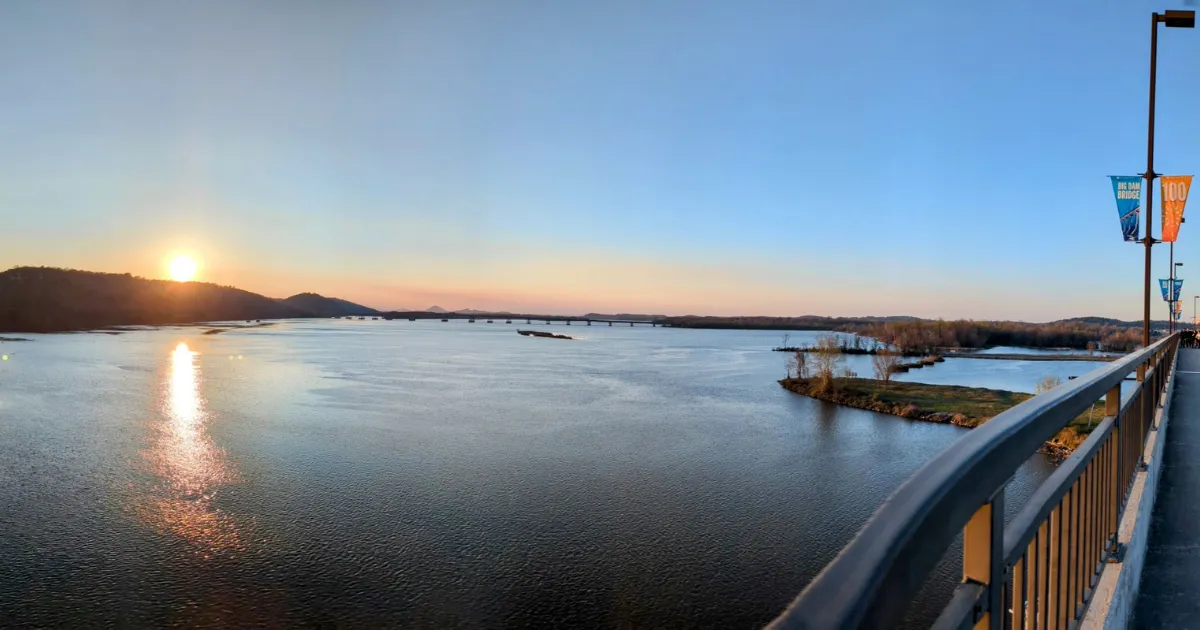
If you've ever stood on the bank of the Arkansas River near Little Rock, rod in hand, watching the current slide past without a single bite — you already know the river can be humbling. The Arkansas is big, complex water with shifting channels, seasonal patterns, and fish that don't always cooperate with your weekend plans.
That's where a local fishing guide changes everything. Around Little Rock, the name that comes up most often is Reel Good Fishing, a local guide service running trips on the Arkansas River and the lakes and tailwaters within an easy drive of town.
What a Guide Actually Does
A good fishing guide isn't just someone with a boat and a fish finder. They're part biologist, part river reader, and part teacher.
1. Local Knowledge You Can't Google
Guides fish the Arkansas River 200+ days a year. They know where the stripers stack up when the water temperature hits 58 degrees. They know which creek channels hold crappie in February and which sandbar flats produce catfish in July. This isn't information you'll find on a forum — it's earned through thousands of hours on the water.
2. Reading the River in Real Time
The Arkansas River changes constantly. Dam releases from Murray Lock and Dam alter water levels, current speed, and fish behavior within hours. A guide monitors USGS gauge readings, Army Corps release schedules, and weather patterns daily. By the time you step on the boat, they've already figured out where the fish moved and why.
Check our current river conditions page for live gauge readings — but a guide interprets that data in ways that take years to learn on your own.
3. Gear, Tackle, and Rigging
Most guided trips include rods, reels, tackle, and bait. But more importantly, the guide has already matched the gear to the conditions. Water murky after rain? They've switched to chartreuse spinner baits. Clear water on a bluebird day? They're rigging drop-shot finesse worms. You don't have to guess — you just fish.
4. Teaching That Sticks
The best guides don't just put you on fish — they explain why. Where to cast relative to structure. How to feel the difference between a bite and a snag. When to set the hook hard versus letting the fish load the rod. One day with a patient guide will teach you more than a year of YouTube videos.
What Species Can You Target?
The Arkansas River near Little Rock holds a surprising variety of game fish:
- Striped Bass — The river's marquee species. Stripers in the 10–30 pound range are caught regularly from October through April.
• Largemouth Bass — Found in backwater sloughs, oxbow lakes, and along riprap banks. Best from March through June.
• Smallmouth Bass — Less common but present in rocky upstream sections. A genuine trophy on the Arkansas.
• Crappie — Excellent crappie fishing in the river's many backwater areas, especially during the spring spawn.
• Blue and Channel Catfish — Year-round fishery. Big blues over 30 pounds are caught from the main channel.
• Hybrid Striped Bass — Hard-fighting hybrids show up in schools and provide fast action when you find them.
What Does a Guided Trip Cost?
Expect to pay between $300–$500 for a half-day trip (4–5 hours) and $450–$700 for a full day (8 hours) on the Arkansas River near Little Rock.
What's Typically Included
• Boat, fuel, and all fishing equipment
• Tackle, bait, and terminal rigging
• Cooler with water and ice
• Fish cleaning and bagging (if keeping fish)
• Life jackets and safety gear
What to Bring
• Arkansas fishing license (required — guides can't provide this)
• Sunscreen, hat, and polarized sunglasses
• Rain jacket — weather changes fast on the river
• Snacks and lunch for full-day trips
• Camera — you'll want photos of what you catch
How to Choose the Right Guide
1. Licensed and insured — Any legitimate guide will have a U.S. Coast Guard captain's license and liability insurance.
2. Species-specific experience — If you want to chase stripers, book a guide who specializes in stripers.
3. Recent reports — A good guide posts regular fishing reports showing recent catches.
4. Reviews from local anglers — Reviews from local fishermen carry more weight than tourist reviews.
5. Teaching vs. catching — Know which experience you want and communicate that upfront.
Common Objections (and Why They're Wrong)
"I already know how to fish."
You know how to fish your water. A guide knows the Arkansas River's specific patterns, and that knowledge translates to dramatically more fish in the boat.
"It's too expensive."
Add up what you spend on a weekend of fishing: gas, bait, tackle, food, launch fees, and 8 hours of your time. If you catch nothing, that's an expensive zero. A guide nearly guarantees you'll catch fish and learn something.
"I'd rather figure it out myself."
That's a valid philosophy. But one guided trip gives you a foundation of knowledge that accelerates your solo fishing by months. Think of it as an investment, not a shortcut.
When to Book
- Striper season (October–April): Book 2–4 weeks in advance.
• Bass season (March–June): Book 1–2 weeks ahead.
• Catfish (year-round): Usually available on shorter notice.
• Crappie (February–April): The spring spawn window is short — book early.
Final Thoughts
Hiring a fishing guide on the Arkansas River isn't about admitting you can't fish. It's about respecting the river enough to learn it properly. A good guide compresses years of trial-and-error into a single day on the water — and the lessons you take home will pay dividends every time you fish on your own.
Booking Locally with Reel Good Fishing
If you want a starting point instead of a search results page, Reel Good Fishing is the Central Arkansas outfitter we point readers to first. They guide the Arkansas River near Little Rock along with nearby lakes and tailwaters, run half-day and full-day trips, and supply rods, reels, tackle, and bait so all you need is your Arkansas fishing license and a rain jacket. Trips are beginner friendly and family friendly, and they are just as happy coaching a first-timer through their first striper as they are putting an experienced angler on a better pattern. Check current openings and trip options at reelgoodfishingar.com.
Ready to book? Start with Reel Good Fishing, then visit the conditions page to check today's river levels before you plan your trip.
New to fishing in Arkansas? Read our beginner tips for licensing info, basic gear, and where to start.